

Based on a joint study by “Gazprom Neft”, “Gazprombank” and “Severtstal” titled “Megatrends 2026” [1] and author’s own studies, several features of the future digital development of the world are considered. Nine megatrends forming a new digital reality are being analyzed: new types of communication, the broad implementation of artificial intelligence into business processes, the expansion of the autonomy of robotics and unmanned aircraft systems, strengthening the capacity of quantum technologies, the development of new data protection measures, the appearance of new computing methods and types of microelectronics, the expansion of the capacity of biotechnologies, the merging of the digital and physical worlds, and the diversification of energy sources. The systemic effect of the convergence of these trends, as well as their impact on the oil and gas industry, the financial sector, and the manufacturing industry, have been identified. A conclusion is made about the transition from digitalization as an optimization tool to digital transformation as a new operational reality where technologies become new active agents of change.
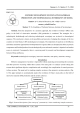
From the perspective of a systemic approach, the evolution of China’s (PRC) state policy in the field of «innovative materials» (IM) production is examined. The strategies for a technological breakthrough and achieving technological sovereignty are reviewed in chronological sequence. The conclusion is drawn on the possibility and necessity of aligning the strategies of the two countries to foster Russia’s (RF) technological sovereignty. The imposition of sanctions on both Russia and China curtails the opportunities for IM production: logistical links are disrupted, the ability to procure components and finished products from technologically more advanced countries is impaired, and market access is restricted. Consequently, there is a growing need for research and development cooperation between China and Russia.